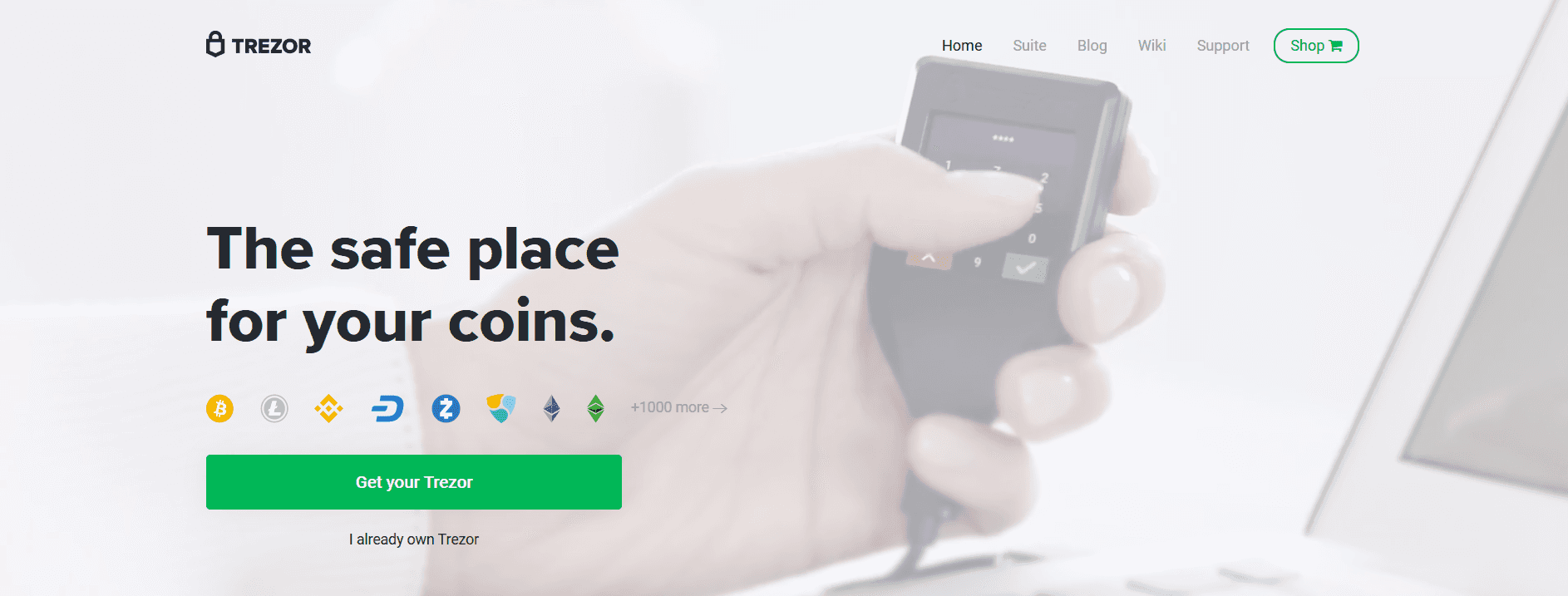
Trezor Login – Secure Access to Your Hardware Wallet Explained
1. What Is Trezor Login?
Trezor Login refers to the secure authentication process used to access a Trezor hardware wallet. Unlike traditional logins that rely on usernames and passwords stored online, Trezor login is based on physical device verification combined with cryptographic security.
There is no centralized account, no stored credentials on servers, and no cloud-based access. Instead, ownership and control remain entirely with the user. Logging in means unlocking your hardware wallet so you can safely view balances, sign transactions, and manage crypto assets.
This approach significantly reduces exposure to online threats and places responsibility directly in the hands of the wallet owner.
2. Why Trezor Login Is Different from Other Wallet Logins
Traditional wallets and exchanges authenticate users through databases containing login credentials. This introduces risks such as data breaches, phishing attacks, and account takeovers.
Trezor login eliminates these risks by using:
Offline private key storage
Physical confirmation on the device
PIN-based authentication
Optional passphrase security
Recovery seed–based restoration
There is no “account” to hack remotely. Without the physical device and correct credentials, access is impossible.
3. Components Required for Trezor Login
To successfully log into a Trezor wallet, users must have:
A genuine Trezor hardware device
A compatible computer or device
Official wallet management software installed
The correct PIN code
Optional passphrase (if enabled)
The login process cannot be completed without the physical device, which acts as the primary authentication factor.
4. Preparing for a Secure Login Session
Before connecting your Trezor device, it is recommended to:
Use a trusted personal computer
Ensure your system is free from malware
Avoid public or shared devices
Verify that the device has not been physically tampered with
Good preparation ensures the login session remains secure from start to finish.
5. Step-by-Step Breakdown of the Trezor Login Process
5.1 Physical Device Connection
The login process begins when the Trezor hardware wallet is connected to a computer via a USB connection. The device powers on immediately and enters authentication mode.
Without this physical step, login cannot occur.
5.2 Device Verification
Once connected, the wallet software verifies:
Device authenticity
Firmware integrity
Secure communication channel
If the software detects altered firmware or an unverified device, login is blocked automatically to protect funds.
5.3 PIN Authentication
The device prompts the user to enter a PIN code.
Key characteristics of Trezor PIN entry:
PIN layout is randomized every time
Input is resistant to keylogging
Failed attempts increase time delays
This mechanism protects the wallet even if the device is stolen.
5.4 Optional Passphrase Entry
Users who enable passphrase protection must enter it during login.
Important aspects of passphrase login:
Each passphrase creates a unique wallet
Passphrases are never stored
Forgotten passphrases cannot be recovered
This feature adds advanced protection and is commonly used for hidden wallets or layered security.
5.5 Wallet Access Granted
After successful authentication:
Wallet accounts load securely
Balances become visible
Transaction functions become available
All cryptographic signing continues to occur inside the device.
6. Security Systems Active During Login
Trezor login uses multiple overlapping security layers:
6.1 Offline Private Key Isolation
Private keys are generated and stored within the device and never exposed to the internet or computer.
6.2 Physical Confirmation Requirement
Every transaction or sensitive action must be confirmed directly on the device screen.
6.3 Brute-Force Protection
Incorrect PIN attempts trigger increasing delays and eventual device reset.
6.4 Firmware Integrity Checks
The device verifies its firmware at every startup to ensure authenticity.
7. What You Can Do After Logging In
Once logged in, users can:
View cryptocurrency balances
Manage multiple blockchain accounts
Send and receive digital assets
Track portfolio performance
Add or hide supported assets
All actions require physical confirmation, ensuring no unauthorized activity occurs.
8. Supported Assets Accessible Through Login
Trezor login provides access to:
Bitcoin and Bitcoin-based assets
Ethereum and compatible tokens
Major alternative cryptocurrencies
Thousands of supported tokens
Multiple accounts can be managed simultaneously from one device.
9. Common Login Issues and Their Causes
9.1 Device Not Recognized
Possible reasons include:
Faulty USB cable
Incompatible port
Outdated software
Solution: Reconnect, restart, or change connection method.
9.2 Incorrect PIN Attempts
Multiple incorrect PIN entries can lock or wipe the device.
Solution: Restore wallet using the recovery seed.
9.3 Forgotten Passphrase
Hidden wallets tied to forgotten passphrases cannot be recovered.
Main wallets remain unaffected.
9.4 Firmware Update Required
Login may be blocked until firmware is updated.
Always confirm recovery seed backup before updating.
10. Wallet Recovery When Login Is Not Possible
If login becomes impossible due to device loss or damage:
A replacement device can be used
Wallet can be restored using the recovery seed
All assets and accounts are restored exactly
Without the recovery seed, funds cannot be accessed.
11. Best Practices for Safe Trezor Login
To maintain maximum security:
Never store recovery seed digitally
Never share PIN or passphrase
Use passphrases for high-value wallets
Inspect the device regularly
Confirm details on the device screen before approving
Security depends on both technology and user behavior.
12. Trezor Login vs Software Wallet Login
FeatureTrezor LoginSoftware Wallet LoginPrivate Key StorageOffline hardwareDevice or cloudAuthenticationPhysical + PINPassword-basedHack ResistanceVery highModerateRecoverySeed phrasePassword resetOnline DependencyNoneRequired
13. Who Benefits Most from Trezor Login
Trezor login is ideal for:
Long-term crypto holders
Security-focused investors
High-value asset storage
Users who value self-custody
It is less suitable for users who prioritize convenience over security.
14. Long-Term Advantages of Using Trezor Login
Using Trezor login provides:
Protection from phishing and malware
Independence from centralized platforms
Long-term asset security
Full ownership and control
These advantages make Trezor a trusted solution in the crypto space.
15. Final Overview
Trezor Login is a hardware-based security process, not a traditional sign-in. It ensures that:
Only the device owner can access funds
Private keys never leave the wallet
Recovery depends solely on the user
Security is not reliant on third parties
Key Points to Remember
Physical device access is mandatory
PIN and optional passphrase protect access
Recovery seed is the ultimate backup
Forgotten credentials cannot be recovered
Trezor login represents one of the safest methods available for accessing and managing cryptocurrency, offering unmatched security, transparency, and control.